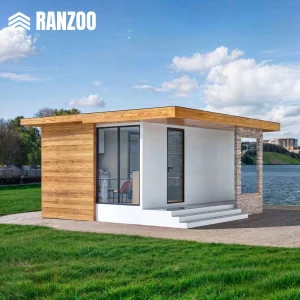
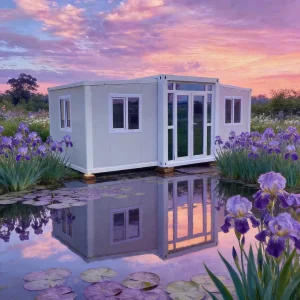
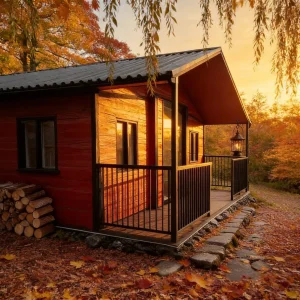
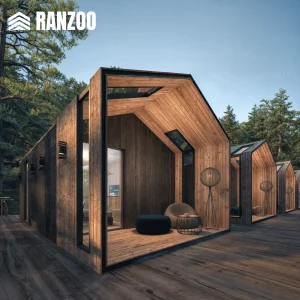
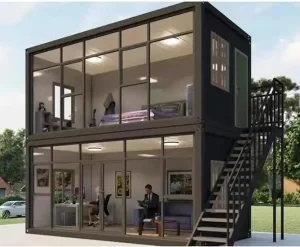
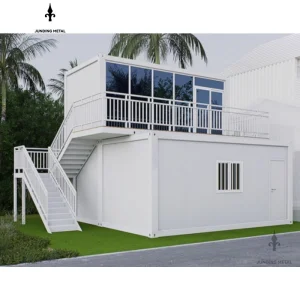
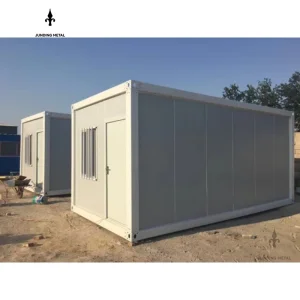
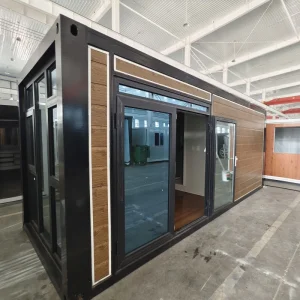
The global wellness tourism market is currently experiencing a transformative shift, with Container Wellness Retreats emerging as a primary choice for boutique developers and eco-conscious investors. Valued at over $600 billion, the wellness economy has outgrown traditional brick-and-mortar hotels, pivoting toward modular, low-impact, and immersive experiences. Across North America, Europe, and Southeast Asia, the demand for "glamping" and secluded wellness sanctuaries has surged, fueled by a collective desire for mental rejuvenation and connection with nature.
Today, container retreats are no longer seen as makeshift shelters. They are high-tech, luxury vessels equipped with smart climate control, integrated spa systems, and biophilic designs. From the Swiss Alps to the Australian Outback, modular units from leading China container house suppliers are being deployed to provide high-end accommodation in terrains where traditional construction is either too costly or environmentally damaging. This industrial evolution is driven by the need for speed, sustainability, and scalability.
The modular hospitality sector is projected to grow at a CAGR of 8.5% through 2030, with wellness-focused units leading the expansion.
Over 70% of luxury travelers now prioritize sustainable stays, making upcycled and energy-efficient container homes a top choice.
What took 18 months in traditional building now takes 3 months with Chinese modular factory precision.
The intersection of AI technology and modular architecture is defining the next generation of wellness retreats. As a premier Container Wellness Retreat Factory, we are seeing a shift toward "Smart Cabins." These units incorporate AI-driven environmental sensors that automatically adjust lighting, humidity, and air purification based on the guest's circadian rhythm. This level of customization ensures a peak recovery environment, essential for high-end spa and yoga retreats.
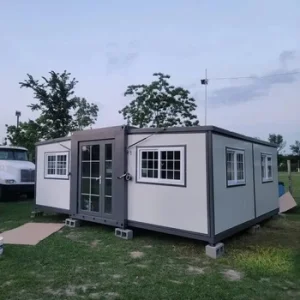
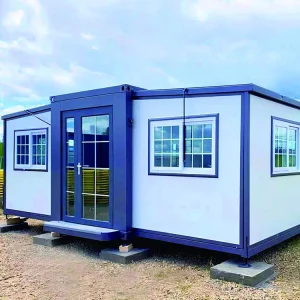
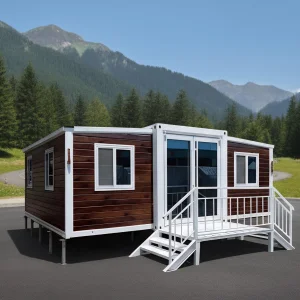
Another dominant trend is the Off-Grid Autonomy. Modern wellness retreats are being placed in "silent zones" without utility access. We integrate high-efficiency photovoltaic systems, atmospheric water generators, and grey-water recycling into our 40FT Expandable Container Houses. This allows operators to build luxury resorts in protected forests or coastal dunes with zero environmental footprint.
Eco-Materials
Design Patents
Energy Use
Lifespan
Nanjin Stinson Modular Homes Co., Ltd. is a professional China container house supplier specializing in Apple Cabin units, foldable container homes, and flat pack prefabricated housing systems. The company is committed to delivering innovative, efficient, and sustainable modular living solutions for residential, commercial, and hospitality applications worldwide.
Since its establishment, Stinson Modular Homes has focused on integrating advanced modular construction technology with practical design concepts. In its early stage, the company concentrated on standard container housing solutions for basic accommodation needs. As market demand evolved, it expanded its product line to include foldable and flat pack structures, significantly improving transportation efficiency and on-site installation speed.
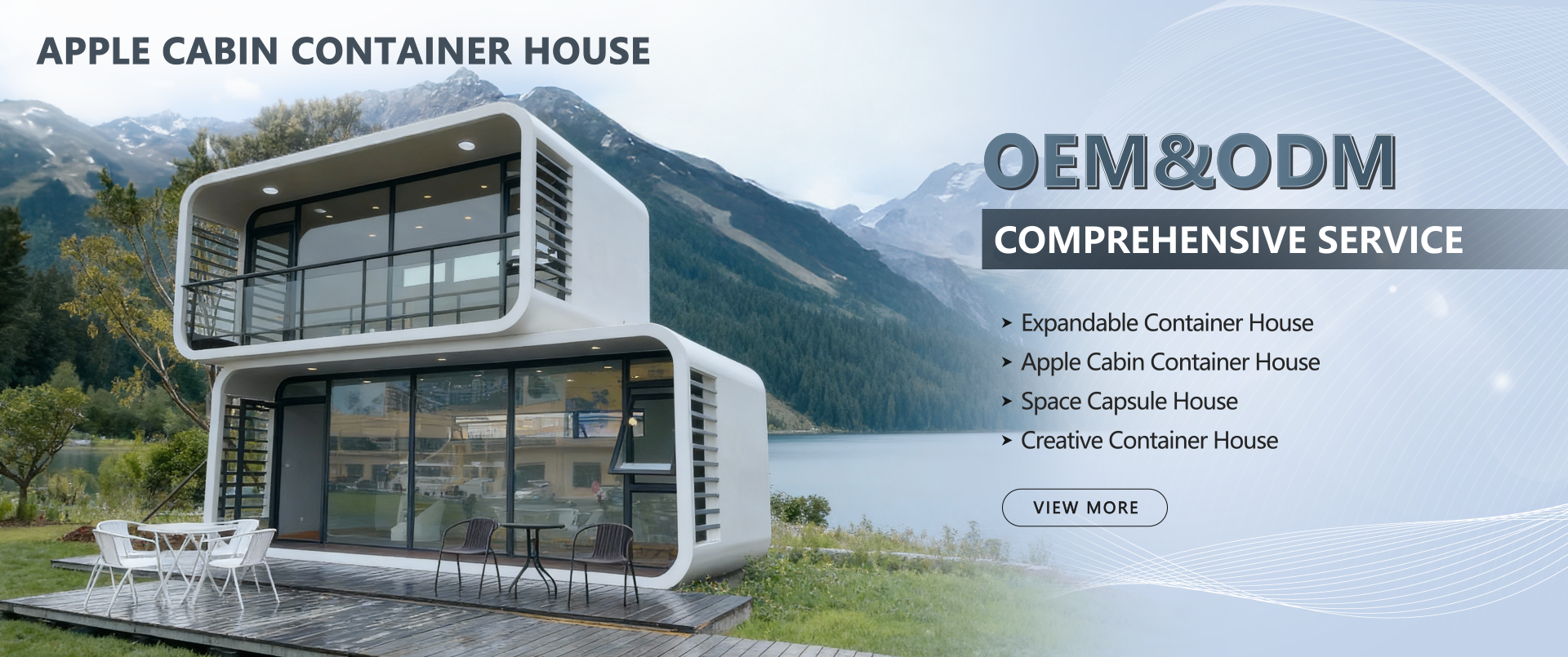
In the development phase, the company introduced creative cabin-style housing such as Apple Cabin designs, combining aesthetic appeal with functionality. These solutions are widely used in holiday resorts, eco-tourism projects, mobile offices, and temporary living spaces. Over time, Stinson Modular Homes strengthened its engineering capabilities, production systems, and quality control processes to meet international standards.
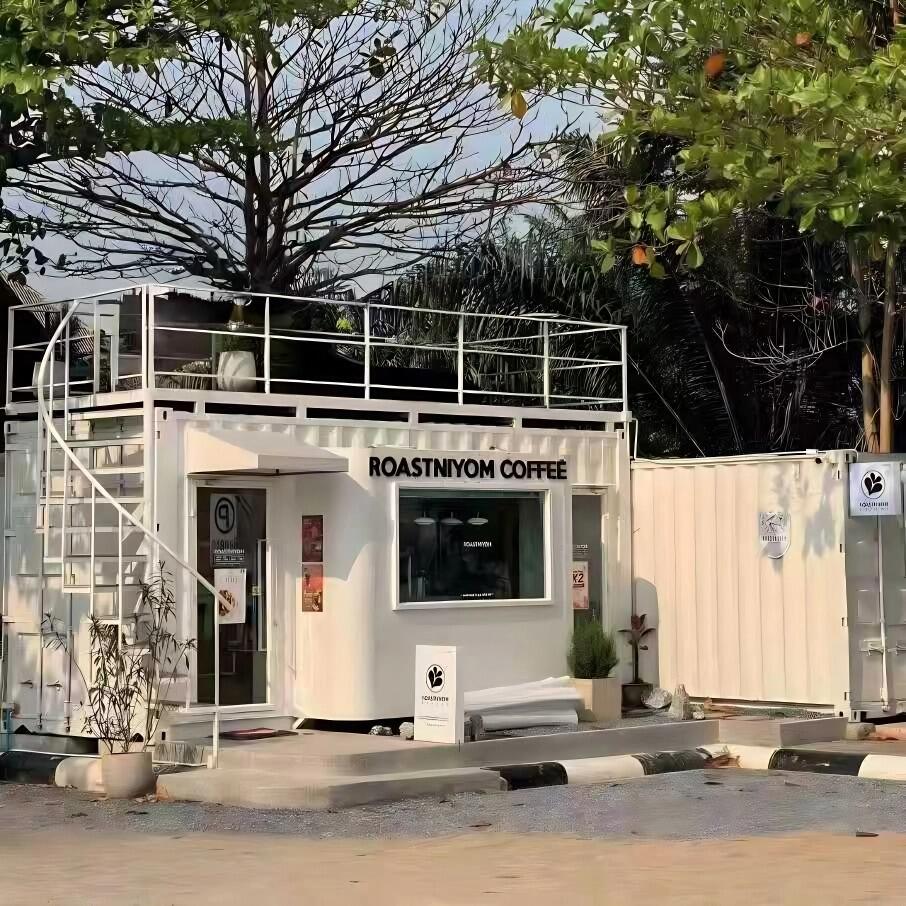
Today, the company continues to innovate in modular architecture, offering customizable layouts, energy-efficient designs, and turnkey project support. With a focus on quality, flexibility, and global service, Nanjin Stinson Modular Homes aims to provide reliable prefabricated housing solutions that adapt to diverse environments and customer requirements worldwide.
International procurement for wellness retreats has evolved from buying "boxes" to sourcing "complete systems." Global B2B buyers—ranging from resort developers in the Maldives to mining camp managers in Canada—require specific performance metrics:
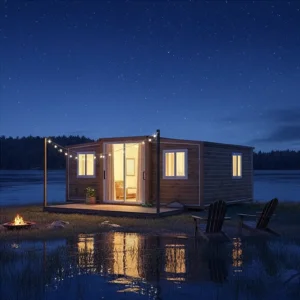
Utilizing Apple Cabins for high-end, artistic stays in forest parks or seaside dunes where aesthetics are paramount.
Installing portable gyms and meditation rooms in urban tech hubs to improve employee mental health and productivity.
Rapidly deployable units for post-pandemic wellness centers or therapeutic communities in remote regions.
Localizing these applications requires a deep understanding of regional building codes. For instance, our Australia Granny Flat compliant units meet strict AS/NZS standards, while our European models focus heavily on thermal insulation (R-values) to withstand harsh winters. Chinese factories excel at this customization, offering diverse sandwich panel options (PU, Rockwool, EPS) to meet any climate demand.
China stands as the global leader in modular construction due to its unparalleled supply chain integration. As a top-tier supplier, our advantages go beyond mere cost reduction:
Our R&D teams utilize BIM (Building Information Modeling) and AI to simulate structural integrity and thermal performance before a single weld is made.
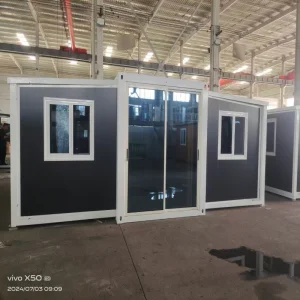
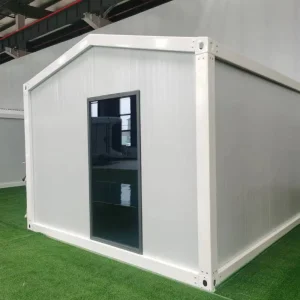
With Flat Pack and Foldable designs, we can fit up to 6 units in a single 40HC container, slashing international shipping costs by up to 75%.
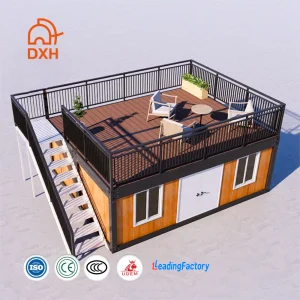
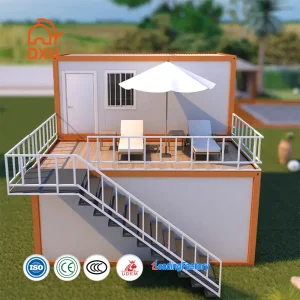
From glass facades and rooftop terraces to integrated solar power off-grid systems, we provide turnkey solutions tailored to your brand identity.
Furthermore, the scale of Chinese manufacturing ensures consistency. Whether you order 1 unit or 100, the precision of our automated production lines ensures every corner, joint, and seal is perfect, providing the reliability that global wellness brands depend on.
 Stinson Modular Homes