As urbanization continues to rise, innovative housing solutions emerge. One such solution is container houses. These structures, made from shipping containers, have gained popularity for their unique aesthetics and potential cost savings. However, a critical question remains: are container houses environmentally friendly?
Container houses promise sustainability through recycling outdated containers. They can minimize waste and utilize existing materials. Yet, their environmental impact may not be as clear-cut. Factors like insulation, energy efficiency, and location impact their overall sustainability. Some designs may require extensive modification, leading to increased energy consumption.
Critics argue that not all container houses are made equally. Some may use harmful materials or lack effective insulation. This raises concerns about energy use, not only during construction but over the building's lifespan. Addressing these challenges is crucial for understanding the true ecological implications of container housing. Only through careful analysis can we determine their role in sustainable living.
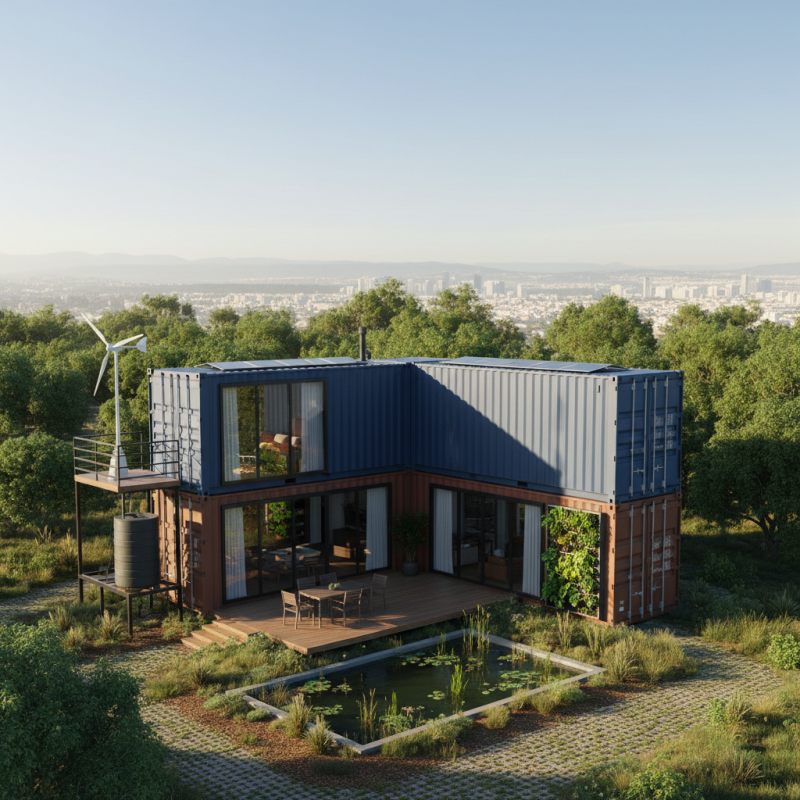
Container houses are innovative structures made from repurposed shipping containers. They offer a unique approach to sustainable living. By transforming these metal boxes into homes, we can reduce waste and promote recycling. The process often includes insulation, plumbing, and electrical modifications. Many builders design open floor plans to create a spacious feel.
However, container houses are not without challenges. Insulation is crucial, as metal can conduct heat and cold. Homeowners must consider ventilation to prevent moisture build-up. Some designs might overlook local building codes, leading to issues during construction. This reflects the importance of thorough planning and local regulations in sustainable projects. Each step in creating a container home requires thoughtful decision-making to ensure longevity and comfort.
Using recycled shipping containers for housing presents several notable environmental benefits. These containers are often discarded after their initial use, contributing to waste. By repurposing them, we can reduce landfill volume significantly. This practice promotes sustainability by minimizing the need for new construction materials. Additionally, when containers are reused, the carbon footprint associated with manufacturing new building materials decreases.
However, while container homes can be an eco-friendly option, they are not without challenges. The insulation and climate control require careful planning. Without proper attention, these homes can become uncomfortable in extreme weather. It's essential to consider local regulations, as zoning laws may limit container home construction. Each project requires a thoughtful approach to balance environmental benefits with practical living standards. The design must also account for structural integrity and long-term durability.
Container houses are becoming popular as an alternative to traditional building methods. These homes are made from recycled shipping containers. They offer unique designs and quick construction. However, they come with their benefits and challenges.
When comparing container houses to traditional homes, consider the environmental impact. Container homes use fewer materials during construction. They can also be placed in non-traditional locations. This flexibility can reduce urban sprawl. However, it’s important to consider insulation and ventilation. Container houses may require additional work for comfort and energy efficiency.
Tips for building a container home include understanding local regulations. Some areas may have restrictions on these structures. Design is key; ensure that the layout meets your needs. Be aware that these houses may have limitations in space and natural light. Customizing your container can help address these issues, but it can add costs. Take time to plan effectively to make the most of your container home.
Container houses present innovative housing solutions, but they come with challenges. One significant issue is insulation. Standard metal containers can be hot in summer and cold in winter. Proper insulation needs expert installation, which may increase costs.
Another consideration is the structural integrity of converted containers. Some designs compromise safety. Ensuring container stability often requires additional reinforcements, demanding skilled labor. This complexity can deter potential builders.
Community acceptance is also a hurdle. Many view container homes as temporary or unattractive. Addressing these perceptions may require educational efforts. Awareness of sustainable practices could improve acceptance.
Tip: Engage with local authorities early. This can smooth the approval process and prevent delays.
Tip: Research local construction firms. Experienced professionals can provide valuable insights. They can also help avoid common pitfalls in container home projects.
Building with containers is not just about eco-friendliness. It demands careful planning and execution. Each container home project should reflect the unique needs of its inhabitants.
Container houses are gaining traction as sustainable living solutions. Their construction involves repurposing shipping containers, which significantly reduces the demand for new building materials. According to a report by the World Green Building Council, buildings account for 39% of global carbon emissions. Container homes can help mitigate this figure while providing affordable housing options.
Recent trends show that the use of renewable energy sources in container houses is on the rise. Many designs integrate solar panels and green roofs, enhancing energy efficiency. A study published in the Journal of Cleaner Production indicates that eco-friendly building practices could reduce energy consumption by up to 30%. However, challenges remain. The thermal efficiency of container homes often requires careful insulation planning. Poor insulation can lead to uncomfortable temperatures and increased heating costs.
Moreover, local regulations can impact the viability of container housing in certain areas. Zoning laws and building codes may restrict where and how these homes can be built. These factors need consideration for developers and buyers. Innovative design solutions and community engagement can help overcome these barriers. The future looks promising, but reflection on these challenges is vital for sustainable container home development.
: They reduce landfill waste and the need for new construction materials, promoting sustainability.
Reusing containers decreases the carbon emissions associated with manufacturing new building materials.
They require careful insulation and climate control. Poor planning can lead to discomfort in extreme weather.
Yes, local zoning laws may impose restrictions on building container houses.
Container homes use fewer materials, leading to a lower environmental impact.
Yes, this flexibility can help reduce urban sprawl effectively.
Additional work may be needed to ensure comfort and energy efficiency in these homes.
The layout should meet your needs, accounting for space and natural light limitations.
Yes, while customization can address limitations, it can also raise the overall expense.
Absolutely, effective planning is crucial to maximize the benefits and functionality of your container home.
Container houses have emerged as a popular alternative in sustainable construction, raising the question: are container houses environmentally friendly? These homes are built using recycled shipping containers, which significantly reduces the need for new materials and minimizes waste. By repurposing these containers, builders can conserve resources and lessen the overall environmental impact typically associated with traditional building methods.
However, while container houses offer several environmental benefits, there are challenges and limitations to consider, such as insulation, structural modifications, and zoning regulations. As sustainability becomes a more pressing issue, the future of container house development also suggests innovation in design and functionality, potentially enhancing their environmental credentials. Overall, when evaluated against traditional construction, container houses present a compelling option for those seeking eco-friendly living solutions.

Stinson Modular Homes