As the popularity of container homes rises, questions about their suitability for various climates emerge. A pressing concern is whether these innovative structures can truly withstand cold weather. Industry expert Dr. Sarah Thompson, a specialist in sustainable housing, states, “With proper insulation and design, container homes can be quite resilient in colder climates.”
In regions that experience freezing temperatures, container homes present unique challenges. Standard containers are made of steel, which can lose heat quickly. Insulation becomes a critical factor. While containers can be adapted for winter living, many designs fall short of this goal. It is essential to think beyond simple modification.
The question remains: can container homes be used in cold weather? Understanding local climates and selecting appropriate building strategies is vital. Efficient heating and moisture control must also be addressed. Building codes vary, adding another layer of complexity. With careful planning and expertise, container homes can provide a comfortable haven, even in the frostiest conditions.
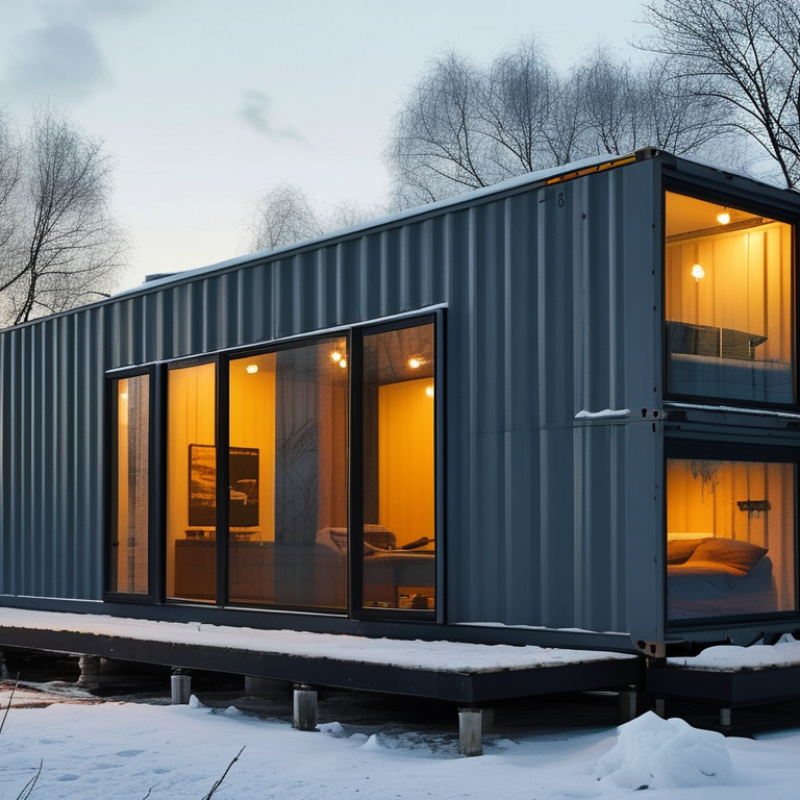
When considering container homes in cold climates, several types emerge as more suitable. Insulated container homes provide a necessary barrier against frigid temperatures. Reports indicate that high-quality insulation can reduce energy costs by 30% to 50%. This significant saving is critical for those living in extreme conditions.
Another option is the use of double-walled containers. The space between the walls can be filled with insulating materials. This design creates an air pocket that helps maintain warmth. A study by the International Journal of Housing Science found that insulated container homes can achieve an indoor temperature that is 15 degrees warmer than the external climate.
However, constructing container homes for cold weather is not without challenges. Potential issues with condensation and moisture buildup warrant careful planning. Proper heating solutions are essential, and choosing the right windows can limit heat loss. The reality is that not all container homes can withstand harsh winters without adequate preparation. It’s important to assess each design’s feasibility for specific regions before committing to construction.
Insulating container homes for cold weather requires strategic planning. Proper insulation minimizes heat loss. This is crucial for comfort and energy efficiency. For instance, using spray foam insulation can fill gaps and reduce drafts. Fiberglass batts are another option, effective when installed correctly. Always seal any leaks around windows and doors for better results.
Consider installing vapor barriers. These can prevent moisture buildup inside the walls. Moist environments can lead to mold growth, which is detrimental to health. In addition, reflective insulation can be beneficial. This type reflects heat back into the living space.
Regular maintenance is important for cold-weather readiness. Inspect the roof for ice dams. Ice can accumulate and cause leaks. Keep gutters clear to allow water flow. Additionally, using thermal curtains can greatly boost warmth at night. These simple steps enhance comfort and protection against the cold.
Container homes can be a great alternative for modern living. However, winter can pose challenges. Proper heating solutions are crucial to maintaining comfort. Insulation is a key factor. Quality insulation can significantly reduce heat loss. Many container homes use spray foam or rigid board insulation. These materials help keep the interior warm.
Another effective solution is radiant floor heating. This system can warm up the ground beneath your feet. It offers a cozy environment in cold months. Wood stoves provide another option. They are stylish and functional. A small wood stove can heat up a space quickly. However, it requires regular maintenance. Keeping an eye on the fire is essential.
Consider adding thermal curtains. They can trap heat and block drafts. Also, sealing any air leaks is vital. Windows and doors should be checked for gaps. These simple steps can enhance comfort during harsh winters. Yet, adapting to seasonal changes may take time. It’s crucial to reflect on your heating needs as the weather changes.
Container homes present unique challenges in severe cold climates. One major issue is insulation. Standard containers are made of steel, which conducts heat rapidly. Without proper insulation, the interior can become uncomfortably cold. Effective insulation is not just essential; it’s also a significant challenge to implement.
Another concern is condensation. Cold weather can create moisture inside container homes. This can lead to mold and mildew, posing health risks. To combat this, homeowners must invest in proper ventilation systems. However, these systems can be costly and complex to install.
Moreover, the location of a container home plays a vital role. Choosing a spot with good sunlight is crucial. Lack of sunlight can make heating difficult. This may require additional heating sources, which can increase energy costs. Homeowners often overlook these factors when planning their container homes for cold climates.
Container homes can effectively withstand cold weather, but proper maintenance is crucial. Insulation is one of the most significant factors. According to a study by the U.S. Department of Energy, poorly insulated homes can lose up to 35% of heat. Investing in high-quality insulation materials is essential. This helps maintain a comfortable living temperature during winter months.
Regular maintenance checks are necessary to prevent issues. Inspect windows and doors for drafts. Use sealants to fill gaps, as even small openings can lead to significant heat loss. Also, consider the foundation. Elevated foundations can help prevent moisture buildup, which can cause structural damage over time.
Heating systems should be appropriate for the space. Energy-efficient heaters can reduce energy consumption by over 30%, according to the Energy Information Administration. It's important to assess the heating capacity needed for your container home size. Finally, staying proactive about maintenance can greatly affect long-term durability in cold climates. This practice ensures safety and comfort through the harsh winters.
| Maintenance Tip | Description | Frequency | Estimated Cost |
|---|---|---|---|
| Insulation Inspection | Check for gaps and damaged areas in insulation. | Annually | $100 |
| Heating System Check | Ensure heating systems are functioning properly. | Bi-annually | $150 |
| Sealing Cracks | Seal any cracks in walls and flooring to prevent drafts. | Seasonally | $50 |
| Roof Maintenance | Inspect and clear roof of snow and debris regularly. | Monthly | $75 |
| Plumbing Check | Inspect plumbing for insulation and leaks to prevent freeze. | Annually | $200 |
: High-quality insulation creates a barrier against cold. It can reduce energy costs significantly.
They have an air pocket filled with insulation, maintaining warmth effectively. This can keep indoor temperatures warmer.
Insulation is crucial. Steel containers conduct heat quickly, leading to cold interiors without proper insulation.
Cold weather can cause moisture inside, leading to mold and health risks. Proper ventilation is essential.
Choosing a sunny spot helps with natural heating. Lack of sunlight increases energy costs for heating.
Regularly inspect windows and doors for drafts. Seal any gaps to prevent heat loss.
Elevated foundations help prevent moisture buildup, protecting against structural damage over time.
Energy-efficient heaters are advisable. They can cut down energy consumption significantly.
Neglecting maintenance can lead to discomfort and potential long-term damage to the home.
Staying proactive about maintenance ensures safety and comfort throughout harsh winters.
Container homes can be a viable option for cold weather living, but they require specific adaptations to ensure comfort and safety. Insulation techniques, such as using spray foam or insulated panels, play a critical role in maintaining heat within the container. Additionally, implementing effective heating solutions, such as electric or radiant heating systems, can significantly improve the indoor environment during winter months.
However, challenges persist, including the potential for condensation and structural stress due to extreme temperatures. Proper maintenance is essential, involving regular checks for insulation integrity and potential cold drafts. Overall, with the right preparation and care, container homes can be used in cold weather, making them an innovative housing solution even in severe climates.

Stinson Modular Homes